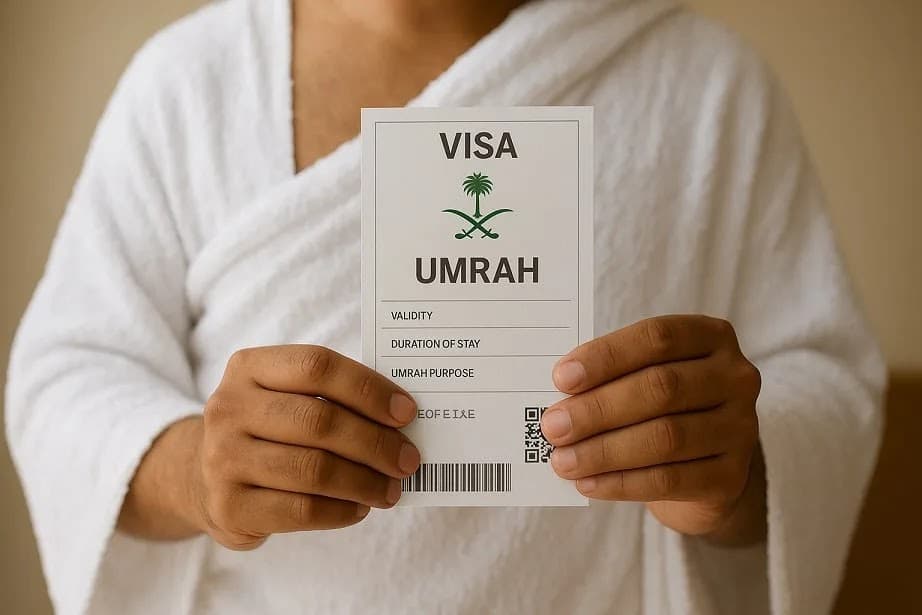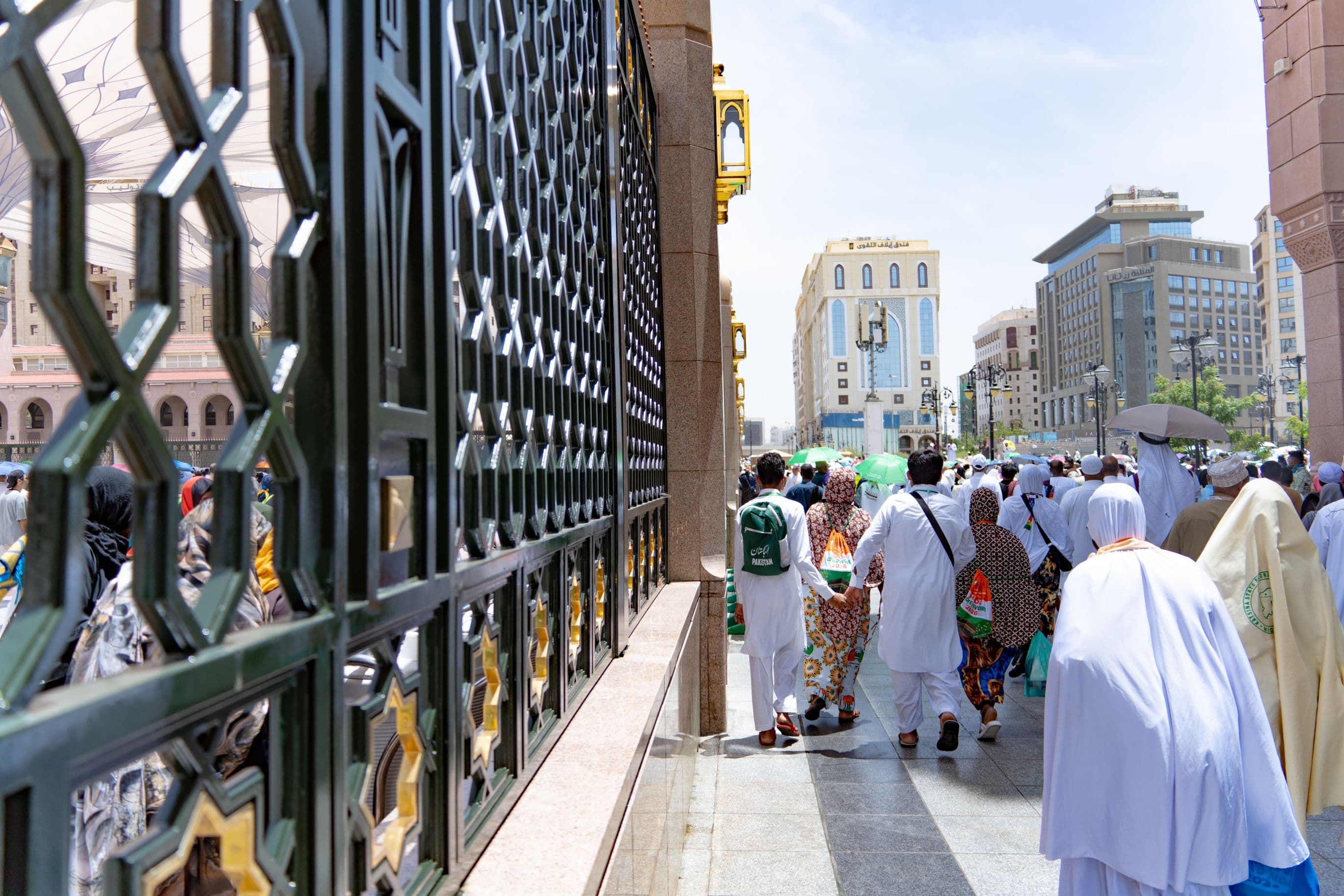
Umrah is often described as the "lesser pilgrimage" — a sacred journey to the House of Allah that can be performed at any time of the year, unlike Hajj, which follows a fixed set of dates. For many pilgrims, especially first-timers, Umrah is also a rehearsal in faith: a chance to experience the emotional weight of standing before the Kaaba, to practice the rituals, and to prepare spiritually for the greater journey of Hajj later in life.
This guide walks through everything you need to know before you travel — the correct, step-by-step way to perform Umrah, how to choose the right package and hotel, and what to expect at each stage of the journey. Throughout this guide, you will also find links to more detailed articles on specific topics such as documents, packing and spiritual preparation.
Types of Umrah Packages
Umrah packages in Pakistan are typically grouped into three broad categories. Understanding the difference — particularly how far the hotel is from the Haramain — helps you choose a package that matches both your budget and your comfort expectations.
Economy Packages These are the most affordable option, usually featuring shared accommodation roughly 800 metres to 1.5 kilometres from Masjid al-Haram or Masjid an-Nabawi, standard transport, and group-based movement schedules. Economy packages are a practical choice for pilgrims who prioritise completing the journey over walking convenience, and who don't mind a short bus or taxi ride to the mosque for some prayers.
Standard Packages A step above economy, standard packages usually include hotels within roughly 400–800 metres of the mosque — often a 10–15 minute walk — along with slightly more flexible group timings and better-quality transport. This is the most commonly chosen category for families and small groups, since it balances cost with genuine walking-distance convenience.
Luxury Packages Luxury packages offer five-star accommodation within 100–300 metres of Masjid al-Haram and Masjid an-Nabawi — in many cases close enough that the hotel entrance opens almost directly onto the mosque plaza — along with private transport and additional services such as guided ziyarat tours. These suit pilgrims who want maximum comfort, particularly elderly travellers or those with health considerations who cannot manage long walks between prayers.
Regardless of category, a typical Umrah package includes:
- Return flight tickets
- Umrah visa processing
- Hotel accommodation in Makkah and Madinah
- Ground transport between cities and airports
- Group leader or guide support throughout the journey
Why Hotel Distance From Haram Actually Matters
"Near Haram" is one of the most overused phrases in Umrah marketing, and it rarely tells you anything precise. A hotel that is a genuine 5-minute walk from Masjid al-Haram is a very different experience from one that is technically "nearby" but actually a 25-minute walk or a paid shuttle ride away — especially during Fajr, in the heat of the afternoon, or for an elderly parent travelling with you. Before booking, always ask for the exact walking distance in metres, not just a general claim, and where possible, check the hotel's precise location on a map relative to the mosque gates rather than relying on the hotel's own description alone.
Group Departures From Major Pakistani Cities
Group departures are commonly organised from Lahore, Karachi and Islamabad, and pricing can vary slightly between cities due to differences in airfare and flight routing. Pilgrims travelling from Lahore or Islamabad sometimes have more direct flight options, while departures from Karachi may include additional connections depending on the airline and season. When comparing an Umrah package from Lahore, Karachi or Islamabad, always confirm whether the quoted price already includes the return flight from your specific departure city, since this is one of the biggest sources of price variation between agencies.
Umrah Duration & Best Time to Go
Most Umrah packages from Pakistan range between 10 and 15 days, split between Makkah and Madinah. Shorter packages are available but leave little room to perform ziyarat or rest between rituals, which can be demanding, especially for elderly pilgrims.
Ramadan vs. Off-Season Umrah
Performing Umrah during Ramadan carries significant spiritual reward and is a preferred time for many pilgrims, but it also means larger crowds, higher prices, and longer waiting times at the Haramain. Off-season Umrah — particularly outside of Ramadan and the months leading up to Hajj — tends to be quieter, more affordable, and physically easier to manage, especially for first-time pilgrims or those travelling with young children or elderly family members.
Weather Considerations
Saudi Arabia's summer months bring extreme heat, which can be difficult for pilgrims unaccustomed to the climate. Winter months (roughly November through February) offer milder temperatures and are often considered more comfortable for performing the rituals, which involve considerable walking and standing.
Umrah Rituals — The Correct Step-by-Step Method
Umrah consists of four main rituals performed in sequence. Understanding each step beforehand — the correct sequence and intention behind it — helps reduce confusion and anxiety once you are actually performing them.
1. Ihram
Ihram refers to both the sacred state a pilgrim enters and the simple garments worn during that state. Before crossing the designated boundary (Miqat), pilgrims perform ghusl (ritual bath), wear the Ihram garments, and make the intention (niyyah) for Umrah, followed by reciting the Talbiyah. For men, Ihram consists of two unstitched white sheets; women wear modest, loose clothing without a specific colour requirement, though white is common. While in the state of Ihram, certain actions are restricted, including cutting hair or nails, using perfume, and engaging in marital relations.
2. Tawaf
Tawaf is the circumambulation of the Kaaba, performed seven times in a counter-clockwise direction, starting and ending at the Black Stone (Hajar al-Aswad). Pilgrims are encouraged to move calmly and avoid pushing through crowds, particularly during busy periods. After completing Tawaf, it is customary to pray two rak'ahs near Maqam Ibrahim, if space allows.
3. Sa'i
Sa'i involves walking seven times between the hills of Safa and Marwah, commemorating Hajar's search for water for her son Ismail. The path is now a covered, air-conditioned corridor within the mosque complex, making the ritual considerably more manageable than in earlier centuries. Wheelchair lanes are available for pilgrims who are unable to walk the distance.
4. Halq or Taqsir
The final step is cutting the hair — either a complete shave (Halq) or trimming (Taqsir) for men, while women typically cut a small symbolic portion of hair. This act marks the formal completion of Umrah and the end of the state of Ihram.
Health & Vaccination Requirements
Saudi authorities require certain vaccinations for Umrah and Hajj visa applicants, most notably the Meningococcal Meningitis (ACWY) vaccine, which must generally be administered at least 10 days before travel. Requirements can be updated by Saudi authorities from time to time, so it is important to confirm current vaccination requirements with your travel agent or the Saudi consulate before your trip.
Beyond vaccinations, pilgrims should keep in mind:
- Stay hydrated, particularly during Tawaf and Sa'i
- Wear comfortable, well-fitted footwear for extended walking
- Carry any personal medication in original packaging, along with a doctor's prescription
- Elderly pilgrims or those with chronic conditions should consult a physician before travelling
Estimated Budget Breakdown
Costs vary depending on season, package type and airline, but a rough breakdown for a standard 12–15 day Umrah package from Pakistan generally includes:
- Flight tickets — often the largest single cost, fluctuating significantly during Ramadan and peak season
- Visa processing — a relatively fixed cost, usually bundled into the package price
- Hotel accommodation — the biggest variable between economy, standard and luxury packages, and directly tied to how close the hotel is to the Haramain
- Local transport — shared or private vehicles between Makkah, Madinah and airports
- Personal expenses — food outside included meals, gifts, and any additional ziyarat tours
Luxury packages can cost multiple times more than economy options, primarily due to hotel proximity to the Haramain. It is worth comparing what is actually included in a package price — and the exact hotel distance — rather than comparing headline prices alone.
Family, Kids & Elderly Considerations
Umrah is a journey many families choose to undertake together, and with some planning, it can be a manageable experience for pilgrims of all ages.
- Elderly pilgrims should consider luxury or standard packages with hotels closer to the Haramain, reducing walking distance. Wheelchair services are widely available at both mosques.
- Travelling with children requires attention to hydration, rest breaks, and realistic expectations — young children may not be able to keep pace with lengthy Tawaf or Sa'i sessions.
- Medical needs should be discussed with your tour operator in advance so appropriate accommodation and transport arrangements can be made.
Frequently Asked Questions
Which is the correct way to perform Umrah? The correct method follows four steps in order: entering Ihram at the Miqat with the intention for Umrah, performing Tawaf around the Kaaba, performing Sa'i between Safa and Marwah, and finishing with Halq or Taqsir. Each step is explained in detail above, and our Spiritual Preparation Before Umrah guide covers the inward preparation that complements these outward steps.
How many days does an Umrah trip usually take? Most Umrah packages from Pakistan run 10 to 15 days, covering time in both Makkah and Madinah, though the core rituals themselves can be completed within a few hours once you are in the state of Ihram.
How do I find a hotel near Haram Sharif within walking distance? Ask your travel agent for the exact distance in metres, not just the phrase "near Haram," and compare it against a map. This is exactly why we list precise hotel locations and distances for both Makkah and Madinah on our hotels page, so you can compare options before booking.
Is it better to go for Umrah during Ramadan or off-season? Ramadan carries greater spiritual reward but comes with larger crowds and higher prices. Off-season Umrah is generally quieter, more affordable, and physically easier — a good option for first-time pilgrims, families with young children, or elderly travellers.
Related Guides
This overview covers the essentials, but each topic deserves closer attention. Continue your preparation with these detailed guides: