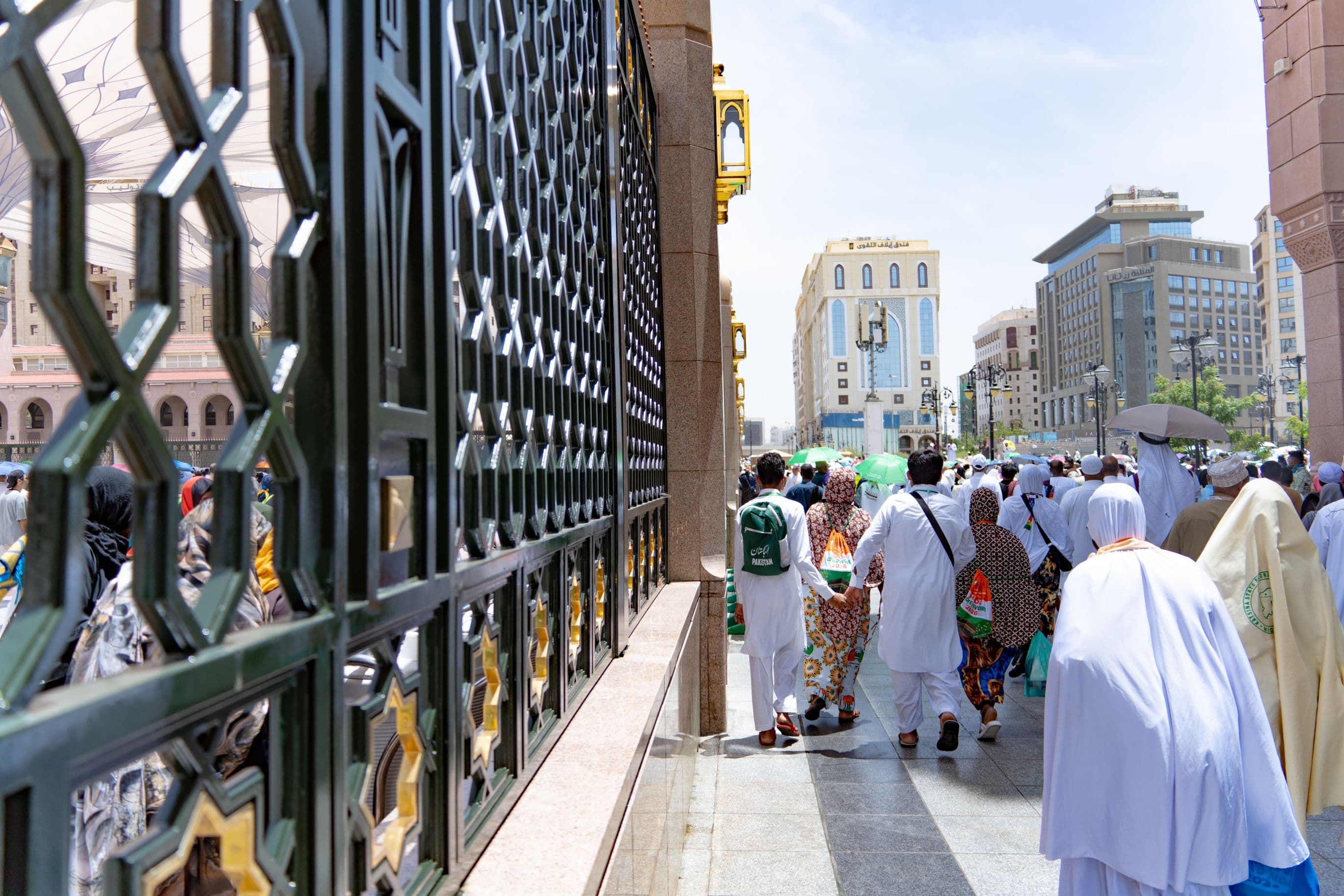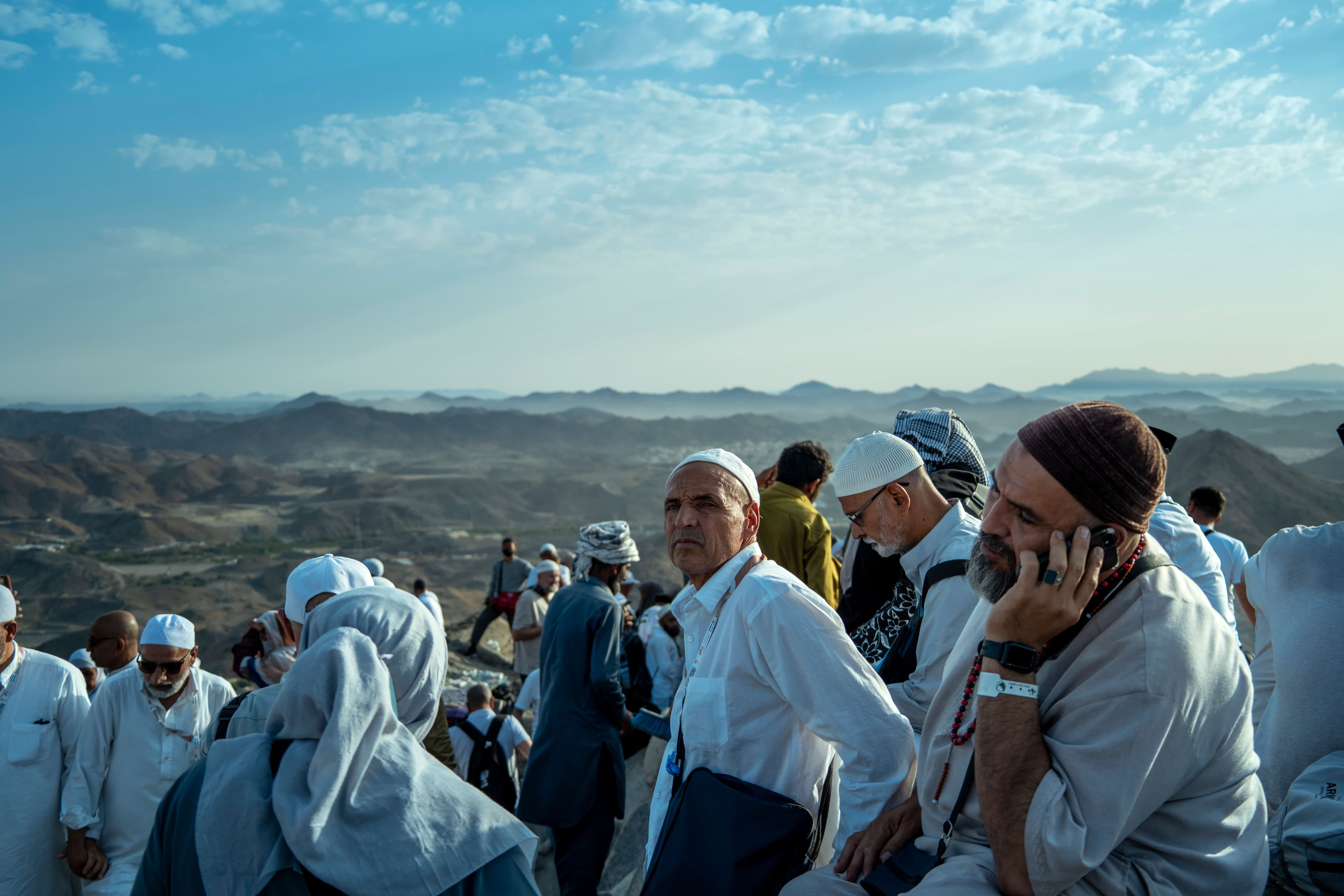
Every year, first-time pilgrims face avoidable difficulties simply because they weren't aware of a few practical details beforehand. None of these mistakes are serious in a religious sense, but they can turn an otherwise smooth journey into a stressful one. This guide walks through the most common mistakes pilgrims make, and how to avoid each one.
1. Leaving Documents Until the Last Minute
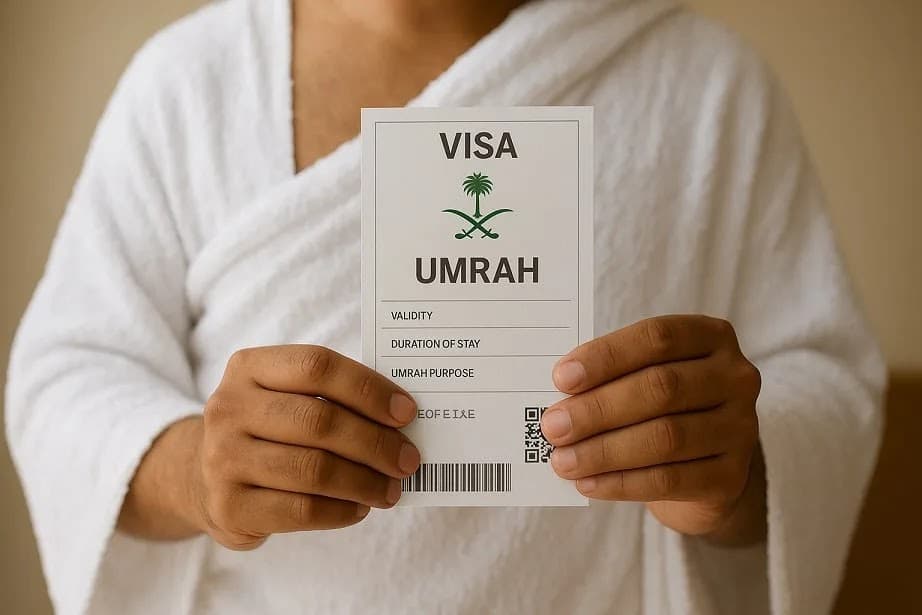
Passport renewals, vaccination appointments, and visa processing all take time. Pilgrims who leave these until the final week before travel often face unnecessary stress or, in worst cases, delayed departure. See our Essential Documents for Umrah guide and start preparing at least a month in advance.
2. Overpacking
Many first-time pilgrims pack as though they are moving house — extra shoes, excess clothing, and items they never end up using. Beyond the hassle of carrying heavy luggage between hotels and cities, overweight baggage can also result in extra airline charges. A focused packing list, like the one in our Packing Checklist for Umrah, covers what you actually need.
3. Getting the Vaccination Timing Wrong
The Meningitis vaccine must generally be administered at least 10 days before travel to be valid for visa purposes. Pilgrims who get vaccinated too close to their departure date can run into visa complications. Book this appointment as soon as your travel dates are confirmed.
4. Not Learning the Rituals Beforehand
Arriving at Masjid al-Haram without understanding the sequence of Tawaf, Sa'i, and the restrictions of Ihram often leads to confusion in the moment — and sometimes to pilgrims simply copying whoever is standing near them, which isn't always correct. Take the time to learn the correct rituals properly before you travel, not during it.
5. Rushing or Pushing Through Crowds
Especially during Tawaf, first-time pilgrims sometimes try to move quickly to "finish" the ritual, resulting in pushing through crowds — which is both unsafe and unnecessary. Tawaf does not need to be rushed; moving calmly and steadily is both safer and more spiritually settling.
6. Ignoring Hydration and Rest
The combination of heat, walking, and standing for long prayers can be physically demanding, particularly for pilgrims unaccustomed to the climate. Skipping water breaks or pushing through exhaustion "to get more done" often backfires. Build rest periods into your schedule, especially in the first day or two after arrival.
7. Carrying Too Much Cash
Carrying large amounts of cash increases the risk of loss or theft in crowded areas. A mix of a small amount of cash and an internationally-enabled debit or credit card is generally safer and more practical.
8. Not Confirming Ihram Timing at the Miqat
Pilgrims travelling by air often cross the Miqat boundary while still on the plane, and need to enter the state of Ihram before reaching this point — not after landing. Confirm with your group leader exactly when and where you need to make your intention and change into Ihram, particularly on connecting flights.
9. Excessive Photography During Rituals
While documenting the journey is understandable, spending Tawaf or Sa'i primarily focused on taking photos and videos — rather than the ritual itself — can distract from the spiritual purpose of the journey and disturb pilgrims around you in crowded conditions. Consider limiting photography to non-ritual moments.
10. Ignoring the Group Leader's Instructions
Package tours typically assign a group leader who manages timing, transport, and coordination for the whole group. Wandering off from scheduled group movements, especially in unfamiliar areas, can lead to missed transport, separation from the group, or unnecessary complications. Staying close to your group, particularly in the first few days, makes the whole trip smoother.
11. Booking a Hotel Based on Vague "Near Haram" Claims
A surprisingly common mistake is booking based on marketing language like "near Haram" without confirming the exact distance. Pilgrims sometimes discover only on arrival that their hotel is a 20-minute walk away, not the few minutes they assumed. Always ask for the precise distance in metres and, where possible, verify it on a map before paying for your package.
12. Not Checking Zamzam Water Baggage Rules Before Departure
Pilgrims sometimes assume they can carry unlimited Zamzam water home, or purchase it from unofficial sources, only to face issues at the airport. Check the current baggage allowance and only purchase from sealed, official sources — our Zamzam Water Guide covers this in detail.
Quick Reference: What to Avoid
- Leaving documents and vaccinations until the last week
- Overpacking or carrying excess luggage
- Skipping preparation for the rituals themselves
- Pushing through crowds during Tawaf
- Ignoring hydration, rest, and your body's limits
- Carrying large amounts of cash
- Missing the correct Ihram timing at the Miqat
- Prioritising photography over the ritual itself
- Ignoring your group leader's schedule and instructions
- Booking a hotel without confirming exact distance from Haram
- Not checking Zamzam water baggage rules in advance
Frequently Asked Questions
Which mistakes do people commonly make during Umrah? The most frequent mistakes are leaving documents and vaccinations to the last minute, overpacking, not learning the rituals beforehand, and booking hotels based on vague distance claims rather than confirmed, exact distances from the Haramain.
What is the biggest mistake first-time pilgrims make during Tawaf? Rushing or pushing through crowds in an attempt to finish quickly. Tawaf is meant to be performed calmly; there is no requirement to rush, and doing so is both unsafe and unnecessary.
How can I avoid booking a hotel that's further from Haram than advertised? Ask your agent for the exact distance in metres rather than general phrases like "near Haram," and cross-check it against a map before confirming your booking.