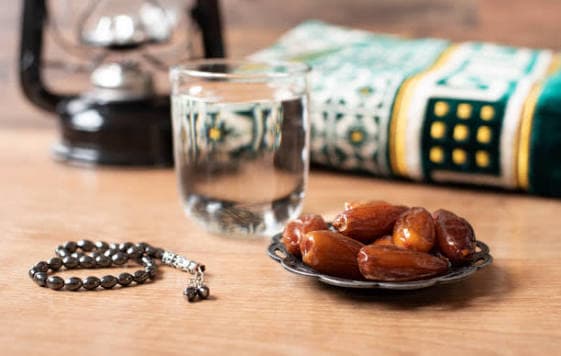
Among the many blessings pilgrims encounter during Umrah and Hajj, Zamzam water holds a uniquely significant place. Drawn from a well located just metres from the Kaaba, it is a source both of physical refreshment and deep spiritual meaning for millions of pilgrims each year. This guide covers its history, significance, how to drink it according to Sunnah, and exactly how to bring it home with you.
The History of the Zamzam Well
According to Islamic tradition, the well originated when Hajar, the wife of Prophet Ibrahim (AS), searched desperately for water for her infant son, Ismail (AS), running between the hills of Safa and Marwah — the same journey pilgrims commemorate today through Sa'i. Water is said to have miraculously sprung forth near where Ismail (AS) was resting, and this spring became the Zamzam well, which has continued to provide water for well over a thousand years since.
The Religious Significance of Zamzam
Zamzam holds a special status in Islamic tradition. It is described in Hadith as blessed water, and many scholars note that it can serve both to quench thirst and to nourish. Zamzam water was also historically used to wash the heart of the Prophet ﷺ before his night journey of Isra and Mi'raj, an event reflecting its purity and honour. Because of this significance, drinking Zamzam is regarded by many pilgrims not simply as drinking water, but as a spiritual act in itself.
The Sunnah Way of Drinking Zamzam
Many pilgrims choose to follow the recommended etiquette when drinking Zamzam, based on practices attributed to the Prophet ﷺ and his companions:
- Face the Qibla, if possible
- Say Bismillah before drinking
- Drink in three sips rather than all at once
- Make dua while drinking, as this is considered a time when supplications are especially likely to be answered
- Say Alhamdulillah after finishing
A commonly narrated dua asks Allah for beneficial knowledge, abundant provision, and healing from every illness — though pilgrims are free to make any sincere personal dua while drinking.
Where to Access Zamzam Water
Zamzam water is freely available throughout Masjid al-Haram via dedicated coolers and dispensers, and is also commonly available at Masjid an-Nabawi in Madinah. Pilgrims are welcome to drink as much as they wish while within the mosque premises and to fill a personal bottle for use during their stay.
How to Bring Zamzam Water Home — Step by Step
This is where many pilgrims run into confusion, and where avoidable mistakes at the airport can cause real disappointment. Saudi Arabia's General Authority of Civil Aviation (GACA) has specific rules governing how much Zamzam water can be carried on flights departing the Kingdom.
Step 1: Check the current allowance before you shop Airline and airport policy has generally allowed each pilgrim travelling on a valid Umrah or Hajj visa to carry one factory-sealed bottle of Zamzam water (commonly around 5 litres) as part of their checked baggage allowance, applied per passenger. Because these rules are set by aviation and customs authorities and can be revised, always confirm the current allowance and packaging requirements with your airline or travel agent before your return journey, rather than relying solely on past experience.
Step 2: Buy only from official, sealed sources Purchase your Zamzam bottle from official, sealed distribution points — most airports and designated locations in Saudi Arabia provide properly sealed containers intended specifically for air travel. Avoid unofficial sellers, as improperly sealed containers are more likely to be confiscated or to leak.
Step 3: Never combine multiple people's allowances into one container Do not attempt to combine several people's allowances into a single larger container, as this typically isn't permitted and can result in the entire container being confiscated at security.
Step 4: Pack it securely in checked luggage Pack the sealed bottle carefully in checked luggage, ideally wrapped and cushioned to avoid leakage or damage to other items, and keep the purchase receipt if available in case it is requested.
Step 5: Bringing it into Pakistan There is generally no restriction on bringing sealed Zamzam water into Pakistan for personal use once you have cleared the departure rules in Saudi Arabia. Keep the bottle sealed until you reach home, both to preserve it and to avoid any questions during transit.
Storing Zamzam Water at Home
Zamzam water can generally be stored for extended periods, though many people prefer to keep it in a cool, dark place away from direct sunlight, in a clean, sealed container. Many households use it for drinking in small amounts, for making dua, or for sharing among family members who were unable to travel.
A Note on Health Claims
Zamzam is widely regarded by pilgrims and scholars as blessed water with described spiritual virtues, as reflected in Hadith. However, it should not be treated as a substitute for medical treatment or used to justify specific medical claims. Its significance is best appreciated as a spiritual blessing alongside — not instead of — appropriate medical care when needed.
Frequently Asked Questions
How can I bring Zamzam water home? Allowances and packaging rules vary by airline and can change. Before travel, confirm your specific airline's current requirements, including whether Zamzam is permitted and how it must be packed. If permitted, use an approved sealed bottle and follow the airline's instructions.
How much Zamzam water can I bring on a flight? There is no single allowance that applies to every airline. Limits and packaging requirements can change, so confirm the current amount with your specific airline before travel.
Can I carry Zamzam water in my hand luggage? Hand-luggage rules can depend on airline and airport requirements. Check directly with your airline before travel rather than assuming Zamzam can be carried in either hand luggage or checked baggage.